CAIAG helped Hungarian colleagues organize an expedition along Gyula Prins’s Tien Shan route

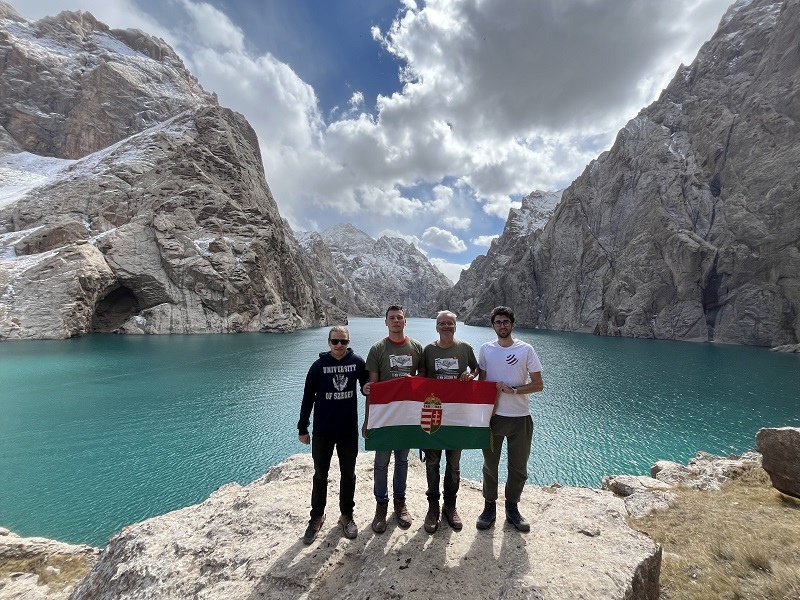
With the assistance of the Central Asian Institute for Applied Geosciences, and in particular the head of the “Capacity Development and Scientific Cooperation” department, Nazgul Alybaeva, assistance was provided in organizing the expedition, as well as in the participation of representatives of the University of Szeged, headed by Professor Péter Szilágyi, in the first part of the expedition along the route of the Hungarian geographer Gyula Prins.
Gyula Prinz, during his travels in 1906 and 1909, compiled maps of mountain regions and glaciers and collected information about the way of life and culture of the Kyrgyz.
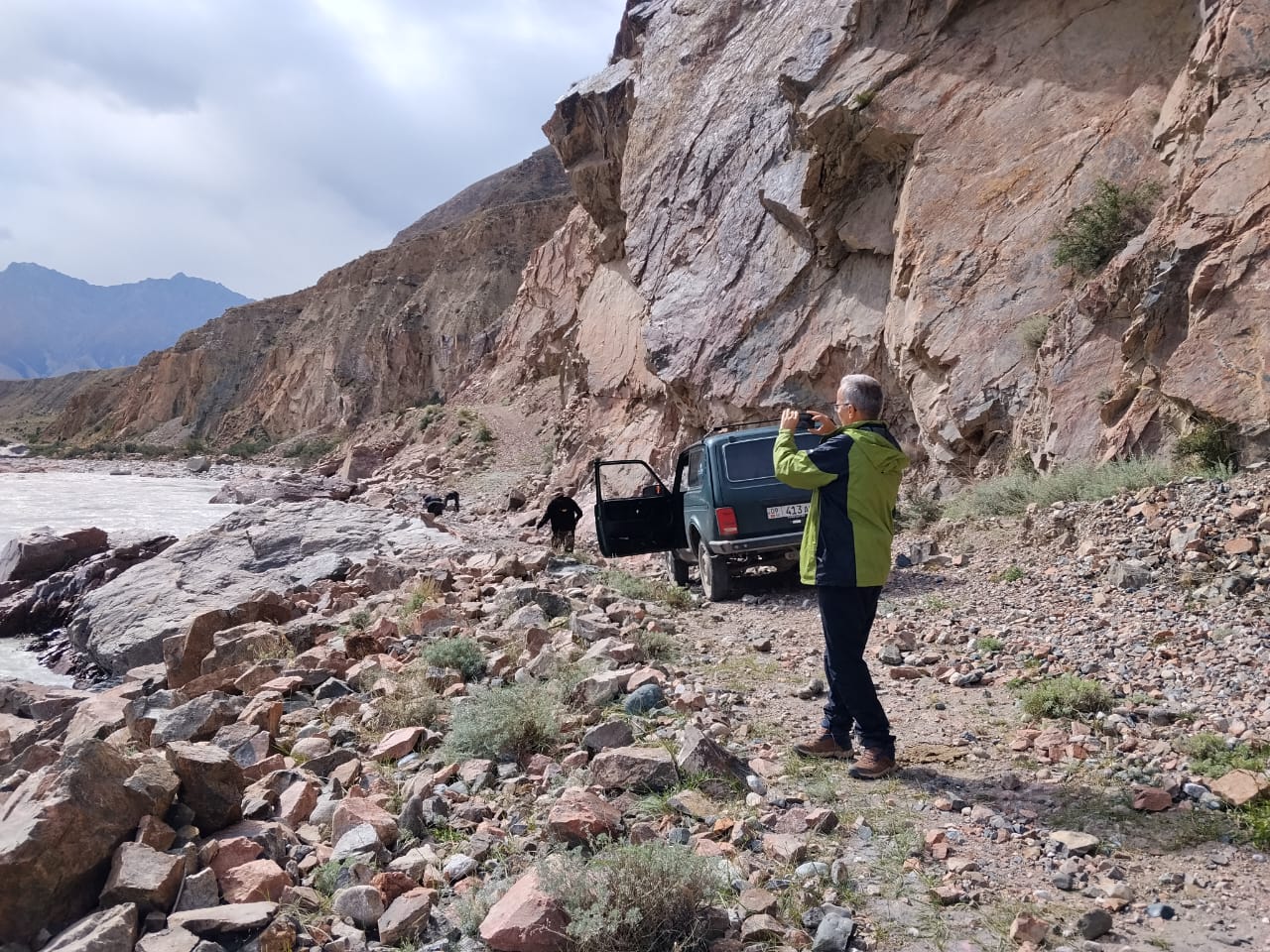
Researchers at the University of Szeged have digitized Gyula Prinz’s maps and linked them to the modern system of geographic coordinates. During the expedition, Adrian Hajszán, Zsuzsa Dömötör, Márton Bence Balog, Péter Balázs Terényi, Szabolcs Kocsmár, and Associate Professor József Sátmári compared Gyula Prins’s descriptions and sketches, György Almási’s photographs, with their own observations and images of the current state of the landscapes, glaciers, and the hydrographic conditions of the region, and conducted drone surveys.
For example, during D. Prince’s visit in December 1906, there was no water in Lake Köl‑Suu. On the shore of Lake Köl‑Suu, modern researchers observed the advantages and disadvantages of the tourism development predicted by D. Prince.
In September 1909, he discovered the lake and named it Lilly after his wife. Today, this lake is known as Köl‑Tör. In a comparison, researchers from the University of Szeged found that the snow patches had disappeared and the water level had dropped by at least two meters.
To assess the rate of retreat of the Tien Shan glaciers, the researchers compared D. Prince’s maps from 1906 and Soviet military maps from the 1970s with drone‑based survey data, satellite images, and field measurements. According to the scientists’ observations, mining activities, infrastructure development, and glacier retreat have led to significant environmental changes.
Their report notes the replacement of irrigation canals near Osh with modern water supply systems, due to a change in the main objective from irrigating agricultural land to providing the population with water.
CAIAG expresses gratitude to diplomat for cultural and educational issues at the Hungarian Embassy in Bishkek Beáta Fal for her participation in strengthening scientific cooperation between Kyrgyz and Hungarian colleagues.
Photo - Péter Szilágyi.